Custom Coastal Homes in Southwest Florida
Building along the Southwest Florida coast brings a different set of challenges. Wind, flood zones, elevation, salt air, site conditions, and access can all affect how a home should be designed and built. We start by understanding the property and the conditions around it — then build the home accordingly.

Designed for Coastal Conditions
Coastal construction is about more than meeting a wind-speed requirement. The structure has to work as a complete system — from the foundation and walls to the roof framing, connections, and tie-downs. Those details may eventually disappear behind the finishes, but they're what make the home work when it matters.
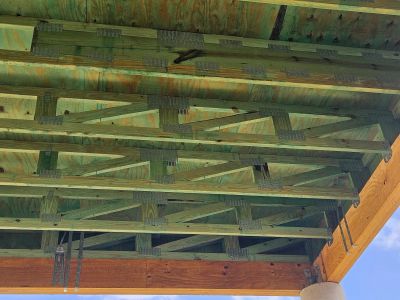
DESIGNED AROUND THE PROPERTY
Every coastal property is different. The view, elevation, flood requirements, access, and surrounding conditions all influence how a home should be designed and built. We start with the property, understand what it requires and what it offers, then make the decisions that allow the home to take advantage of both.
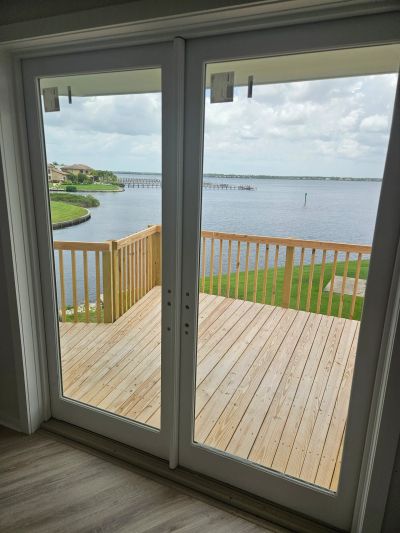
NOT ALL JOBS HAVE A DRIVEWAY
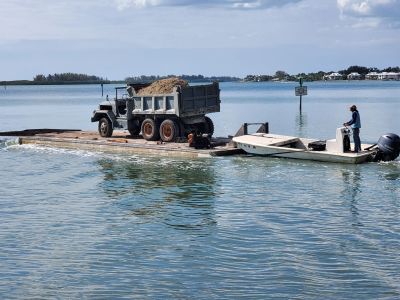
Building along the coast can mean dealing with access most builders never encounter. On some island projects, materials, equipment, and even trucks arrive by barge. Access and logistics are part of the planning from the beginning — because how we get there is part of building it right.
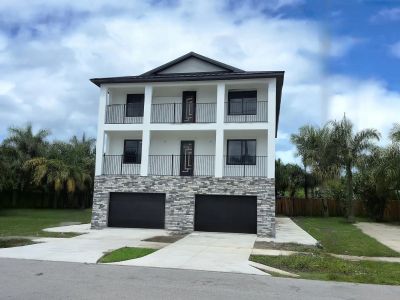
BUILT AROUND HOW YOU WANT TO LIVE
Coastal homes aren't one-size-fits-all. This design creates two complete 1,450-square-foot residences within one elevated structure, giving owners options — live in one and rent the other, make room for family, or plan for multi-generational living. The structure is engineered for coastal conditions, while the design is built around how the owners want to use it.
PHONE 941-787-0777 EMAIL - JHHOMESFL@GMAIL.COM

Jacob Herzog Homes LLC | Custom Coastal Home Builder
Building throughout Southwest Florida’s coastal communities, with a focus on thoughtful engineering, challenging sites, and homes designed around the property.